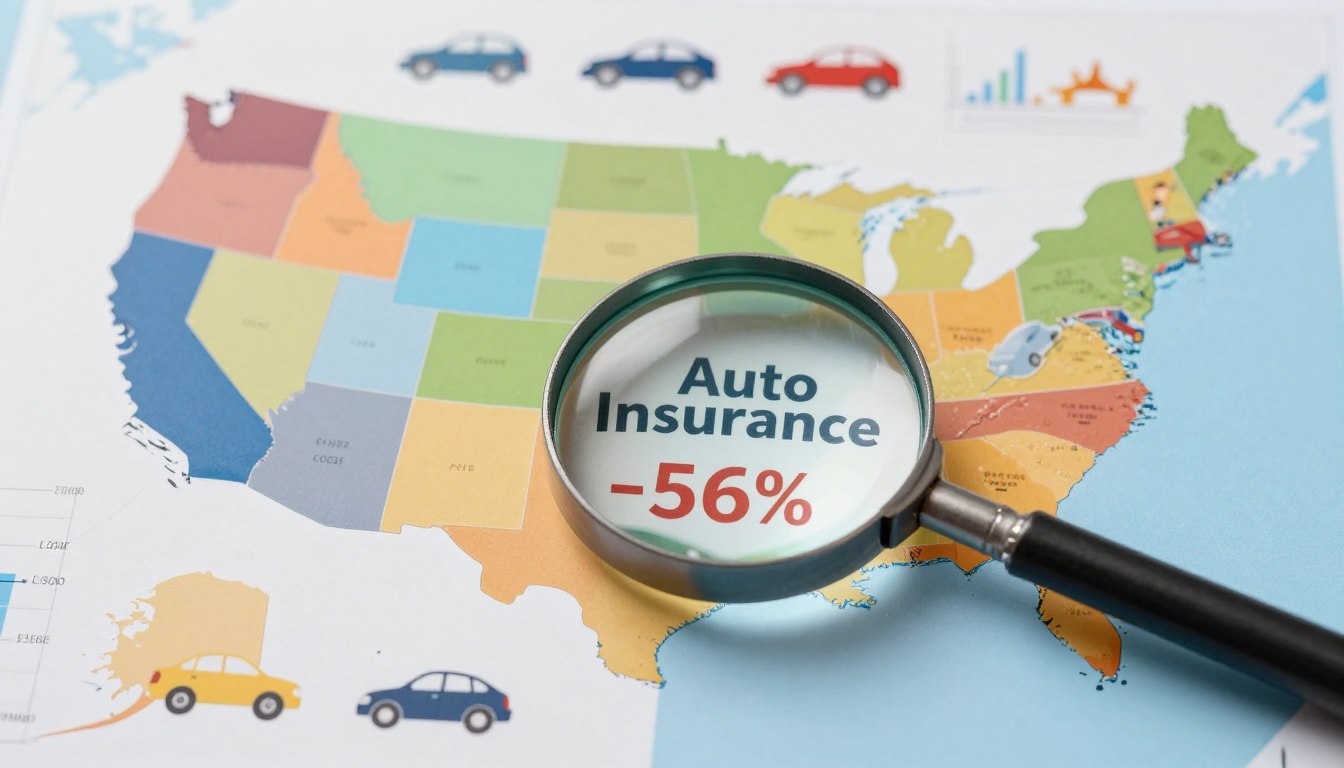
Are you aware that your auto insurance rates can vary significantly depending on where you live in the United States? Understanding the state-wise auto insurance costs can help you make informed decisions when choosing an insurance provider.
The cost of auto insurance is influenced by a variety of factors, including state regulations, crime rates, and even the number of uninsured drivers on the road. By grasping how these factors impact insurance rates in different states, you can potentially save hundreds of dollars on your annual premiums.
Knowing the average costs in your state can help you identify the best insurance options tailored to your needs. This guide will walk you through the intricacies of auto insurance rates across the U.S., empowering you to make smarter choices.
Key Takeaways
Table of Contents
- Auto insurance rates vary significantly across different states.
- State regulations and crime rates are key factors influencing insurance costs.
- Understanding state-wise auto insurance costs can help you save money.
- Comparing insurance providers is crucial for finding the best rates.
- Knowledge of average costs in your state can guide your insurance decisions.
Current Average Auto Insurance Rates by State
Auto insurance rates differ widely from state to state, and being aware of these differences is key to finding the best deal. The average cost of auto insurance in the United States is influenced by a variety of factors, including state-specific laws, population density, and weather patterns.
National Average vs. State-by-State Breakdown
The national average for auto insurance rates serves as a benchmark to compare state-by-state breakdowns. Currently, the national average annual premium is around $1,400. However, this figure can be significantly higher or lower depending on the state you reside in.
| State | Average Annual Premium | Difference from National Average |
|---|---|---|
| California | $1,300 | -$100 |
| New York | $1,800 | +$400 |
| Texas | $1,200 | -$200 |
Recent Trends in Auto Insurance Pricing
Recent trends in auto insurance pricing show that rates are increasing in many states due to rising claim costs and other factors. States with higher population densities and more severe weather events tend to have higher insurance rates. For instance, a comparison of auto insurance rates by state reveals that Louisiana and Michigan have some of the highest average premiums, while states like Iowa and Ohio have more affordable rates.
Understanding these trends and how they affect average car insurance premiums by state can help you make more informed decisions when choosing an insurance provider. It’s also crucial to consider the auto insurance cost variations across states when evaluating insurance options.
Highest and Lowest Auto Insurance Rates Across the US
There’s a considerable difference in auto insurance rates from one state to another. Understanding these differences can help drivers make informed decisions about their insurance choices.
Top 5 Most Expensive States for Auto Insurance
The top 5 most expensive states for auto insurance are:
- Louisiana
- Michigan
- Florida
- Oklahoma
- Connecticut
These states have some of the highest average annual premiums in the country.
Why These States Have Higher Premiums
States like Louisiana and Michigan have higher premiums due to a combination of factors including high rates of uninsured drivers, expensive medical care, and strict insurance regulations.
Top 5 Most Affordable States for Auto Insurance
On the other end of the spectrum, the most affordable states for auto insurance are:
- Iowa
- Ohio
- Wisconsin
- Maine
- Idaho
These states offer lower average premiums, making them more attractive to drivers looking to save on insurance costs.
Common Factors in Low-Cost States
Low-cost states often have lower population densities, fewer claims, and more competitive insurance markets, contributing to their affordability.
How Your State Compares to the National Average
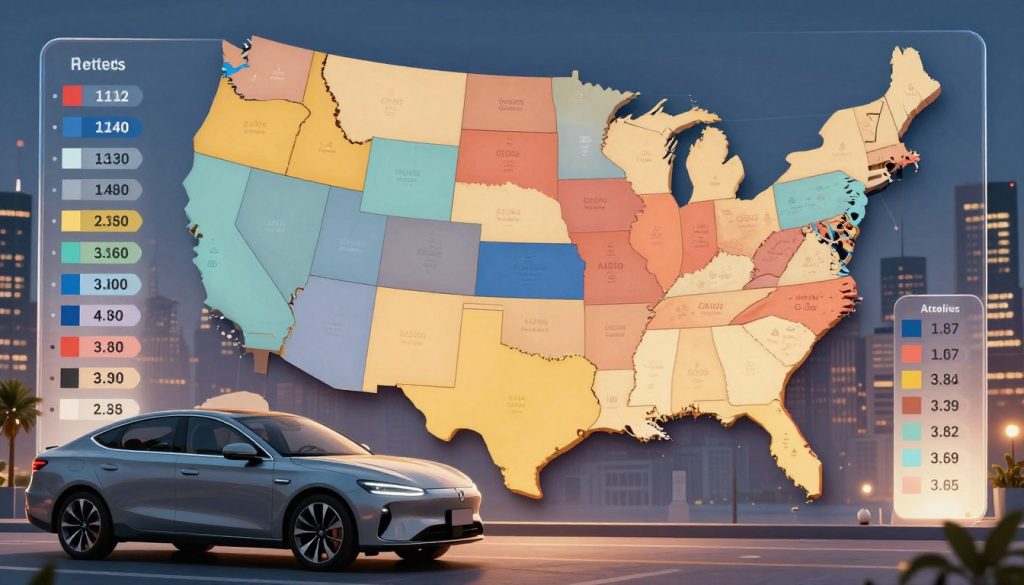
To understand how your state’s auto insurance rates compare to the national average, it’s essential to look at the national average premium and then compare it with your state’s average. This comparison can help you gauge whether you’re paying more or less than the national average.
Key Factors Affecting Your State’s Auto Insurance Rates
Several key factors contribute to the variation in auto insurance rates across different states. Understanding these factors can help you grasp why your insurance rates are what they are.
State-Specific Insurance Laws and Requirements
Each state has its own set of insurance laws and requirements. For instance, some states mandate higher coverage limits or additional types of coverage, such as personal injury protection (PIP) or uninsured motorist coverage. These requirements can significantly impact insurance rates. For example, states like New Jersey and Louisiana have higher minimum coverage limits, contributing to higher premiums.
Population Density and Traffic Conditions
Population density and traffic conditions are significant factors in determining auto insurance rates. Urban areas with high population densities tend to have higher rates of accidents and theft, leading to increased premiums. For example, cities like Los Angeles and New York have some of the highest insurance rates due to congested roads and higher crime rates.
Weather Patterns and Natural Disaster Risks
Weather patterns and the risk of natural disasters also play a crucial role in shaping auto insurance rates. States prone to hurricanes, such as Florida, or those with high frequencies of wildfires, like California, often have higher insurance rates due to the increased risk of vehicle damage.
Crime Rates and Vehicle Theft Statistics
Crime rates, particularly vehicle theft statistics, are another important factor. States with higher rates of vehicle theft, such as Alaska and New Mexico, tend to have higher insurance premiums. Insurers take into account the likelihood of theft when calculating rates.
By understanding these factors, you can better navigate the complex landscape of auto insurance and potentially find ways to lower your premiums.
How to Find the Best Auto Insurance Rates in Your State
To get the best auto insurance rates in your state, you need to know where to look and how to compare effectively. The process involves several key steps that help you navigate the complex insurance market.
Step 1: Research State-Specific Insurance Companies
Start by researching insurance companies that operate in your state. Look for companies that are highly rated and have a strong reputation for customer service. You can check online reviews and ratings from independent agencies to get a sense of each company’s strengths and weaknesses.
Step 2: Use Online Comparison Tools Effectively
Online comparison tools can simplify the process of finding the best auto insurance rates. These tools allow you to compare quotes from multiple insurance providers quickly. When using these tools, ensure you’re comparing similar coverage levels to get an accurate picture.
Step 3: Understand Your State’s Minimum Coverage Requirements
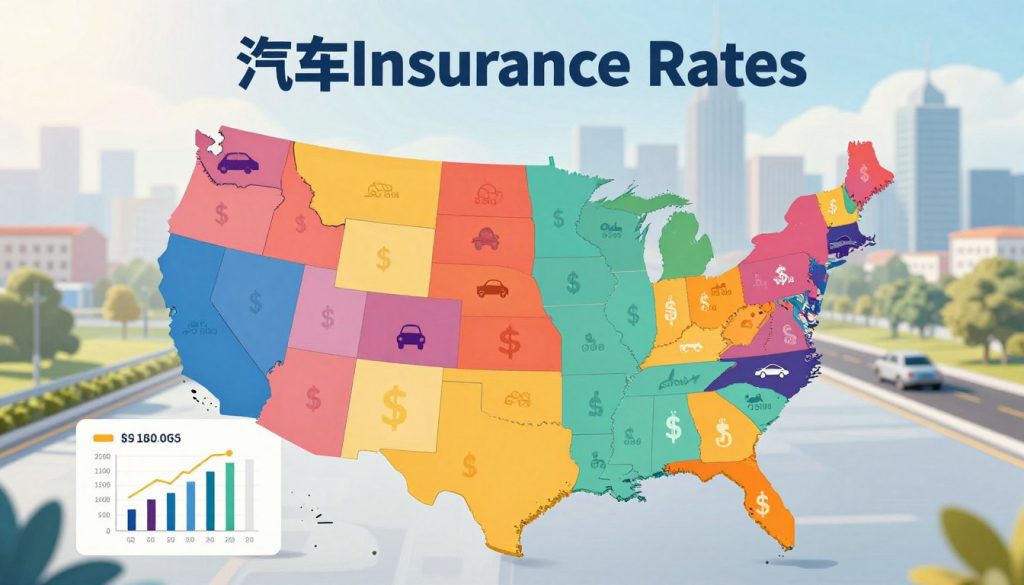
Each state has its own minimum coverage requirements for auto insurance. Understanding these requirements is crucial to ensure you’re not over-insuring or under-insuring your vehicle. Check your state’s Department of Motor Vehicles website for specific requirements.
Step 4: Get Multiple Quotes from Different Providers
Obtaining multiple quotes from different insurance providers can help you identify the best rates. Be sure to provide consistent information across quotes to ensure accurate comparisons. This step can potentially save you hundreds of dollars on your auto insurance.
By following these steps, you can effectively find the best average auto insurance rates by state and make an informed decision about your auto insurance. Understanding state-wise auto insurance costs and using a comparison of auto insurance rates by state will help you navigate the insurance market with confidence.
Practical Ways to Lower Your Auto Insurance Premiums
Understanding the intricacies of auto insurance rates in your state is crucial to finding ways to lower your premiums. Different states have unique insurance requirements and factors that influence rates, making it essential to adopt strategies tailored to your local insurance landscape.
State-Specific Discounts to Ask About
Many insurance companies offer state-specific discounts that can significantly reduce your premiums. For instance, some states offer discounts for completing a defensive driving course or for having certain safety features installed in your vehicle. It’s crucial to inquire about these discounts when shopping for insurance or renewing your policy.
How Bundling Policies Affects Rates in Different States
Bundling multiple insurance policies, such as home and auto, can lead to substantial savings. However, the effectiveness of this strategy can vary by state due to different insurance regulations and company offerings. In some states, bundling can result in discounts of up to 20% on your premiums.
“Bundling policies is a straightforward way to lower your insurance costs, but it’s essential to compare rates from different providers to ensure you’re getting the best deal.”
Impact of Driving Record on Insurance Costs
Your driving record plays a significant role in determining your auto insurance rates. A clean driving record can lead to lower premiums, while accidents or traffic violations can increase your costs. States have different rules regarding how long infractions remain on your record, affecting your insurance rates accordingly.
Vehicle Choice and Its Effect on State-Specific Rates
The type of vehicle you drive can significantly impact your insurance rates, with different states having varying rates for the same vehicle due to local theft rates, repair costs, and other factors. Choosing a vehicle with a good safety record and lower theft rates can help reduce your premiums.
By understanding these factors and adopting the right strategies, you can effectively lower your auto insurance premiums. Always compare rates from multiple insurers and ask about state-specific discounts to ensure you’re getting the best possible deal.
Conclusion
As we’ve explored throughout this article, average auto insurance rates by state can vary significantly, influenced by a range of factors including state-specific insurance laws, population density, and weather patterns. Understanding these state-wise auto insurance costs is crucial for making informed decisions about your insurance coverage.
By comparing auto insurance rates by state, you can identify areas where costs are rising or falling and adjust your insurance strategy accordingly. Whether you’re looking to lower your premiums or simply ensure you have the right coverage, being aware of the comparison of auto insurance rates by state is key.
As you navigate your insurance options, remember that knowledge is power. Armed with an understanding of average auto insurance rates by state, you can make smarter choices about your insurance provider, policy details, and overall insurance strategy, ultimately saving you money and ensuring you’re adequately protected on the road.